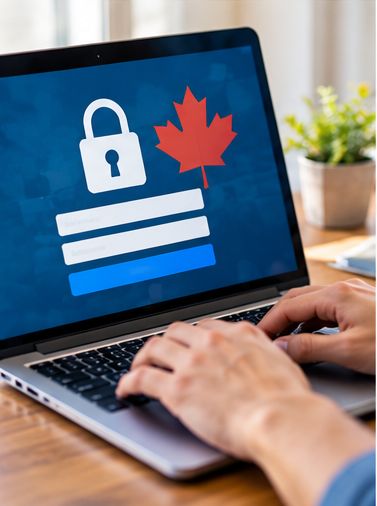
 Online financial applications require consumers to share personal information, making digital security an important part of the borrowing process. Canadians seeking secure online loan applications in Alberta should understand how to distinguish legitimate lenders from suspicious websites and misleading advertisements. While online lending can provide convenient access to financial services, borrowers need to verify who is collecting their information, how that information will be used, and whether the company follows applicable lending requirements.
Why Loan Applications Require Sensitive Information
A legitimate lender may request information necessary to establish an applicant’s identity and evaluate their financial circumstances.
This can include a person’s legal name, address, date of birth, income, employment details, and banking information.
Depending on the lending product, additional documents may be required to confirm identity or verify earnings.
The collection of financial information is not automatically suspicious. However, consumers should understand why each piece of information is necessary.
A trustworthy application process should provide clear explanations about personal-data collection, privacy practices, and relevant consent requirements.
Borrowers should hesitate before supplying additional information that appears unrelated to the application.
Check Whether the Lender Is Properly Licensed
Licensing requirements are an important consumer protection in Canadian lending.
Payday lenders operating in provinces with payday lending legislation generally need appropriate authorization, including when offering loans through the internet.
For example, Alberta requires payday lenders offering or arranging loans to Alberta borrowers to hold a provincial payday loan licence.
Consumers should verify licensing details using the relevant provincial regulator’s official resources.
A company displaying a business name, attractive website, or customer testimonials is not automatically authorized to provide lending services.
It is also important to distinguish between an actual lender and a loan referral service.
A referral website may collect applications and distribute information to other companies rather than lending money directly.
Applicants should understand which organization will ultimately receive their information.
Recognizing Warning Signs of Loan Scams
Fraudulent lending advertisements sometimes promise guaranteed financing regardless of credit history or income.
Others attempt to create urgency by claiming that an offer will disappear unless the applicant acts immediately.
One particularly concerning warning sign is a demand for an upfront payment to release loan funds.
Fraudsters may describe these charges as insurance, processing fees, or security deposits.
Consumers should be especially suspicious when asked to transfer money using gift cards, cryptocurrency, or other difficult-to-reverse payment methods.
An unexpected request for online banking passwords or one-time security codes is another serious warning sign.
Borrowers should never provide a banking authentication code to a person claiming to be a loan representative.
Use Secure Devices and Connections
Digital security also depends on how an application is completed.
Applying from a personally controlled computer or smartphone is generally preferable to using a shared public device.
Consumers should keep operating systems, internet browsers, and security software updated.
Public Wi-Fi networks may present additional risks, particularly if websites or devices are not properly secured.
Before entering personal information, borrowers should check that the website address is correct and that the connection is encrypted.
However, a secure connection symbol alone does not prove that a company is legitimate.
Fraudulent websites can also use encryption.
Read Privacy Policies Carefully
A lender’s privacy policy should explain how personal information is collected, stored, used, and disclosed.
Applicants should look for details about information sharing with service providers, credit reporting agencies, or marketing partners.
Some websites request consent to receive promotional calls, text messages, or emails.
Consumers should review these choices rather than automatically accepting every available option.
Where possible, unnecessary marketing permissions can be declined.
A borrower should also be able to locate a company’s customer service information and understand how to make a privacy-related inquiry.
What to Do After Suspecting Fraud
Someone who believes they provided financial information to a fraudulent website should respond promptly.
Contacting the relevant financial institution can help determine whether accounts need additional protection.
Changing compromised passwords and monitoring financial transactions may reduce the risk of further unauthorized activity.
If identity information has been exposed, contacting credit reporting agencies may also be appropriate.
Suspected fraud can be reported to the Canadian Anti-Fraud Centre and, when necessary, local police.
Protecting Yourself Beyond the Application
Financial security does not end when a loan is approved or declined.
Borrowers should retain copies of their agreements, review account activity, and monitor messages claiming to be from lenders.
Unexpected requests to change banking information or pay additional charges should be independently verified.
Taking these precautions helps Canadians benefit from digital lending services while reducing the risks associated with sharing personal and financial information online.